Cost pillar
Artificial Grass Installation Cost (2026): The Honest Per-Square-Foot Breakdown
What artificial grass installation actually costs in 2026: $8 to $22 per square foot installed, split into turf, base, infill, and labor. Dated, sourced, and neutral.
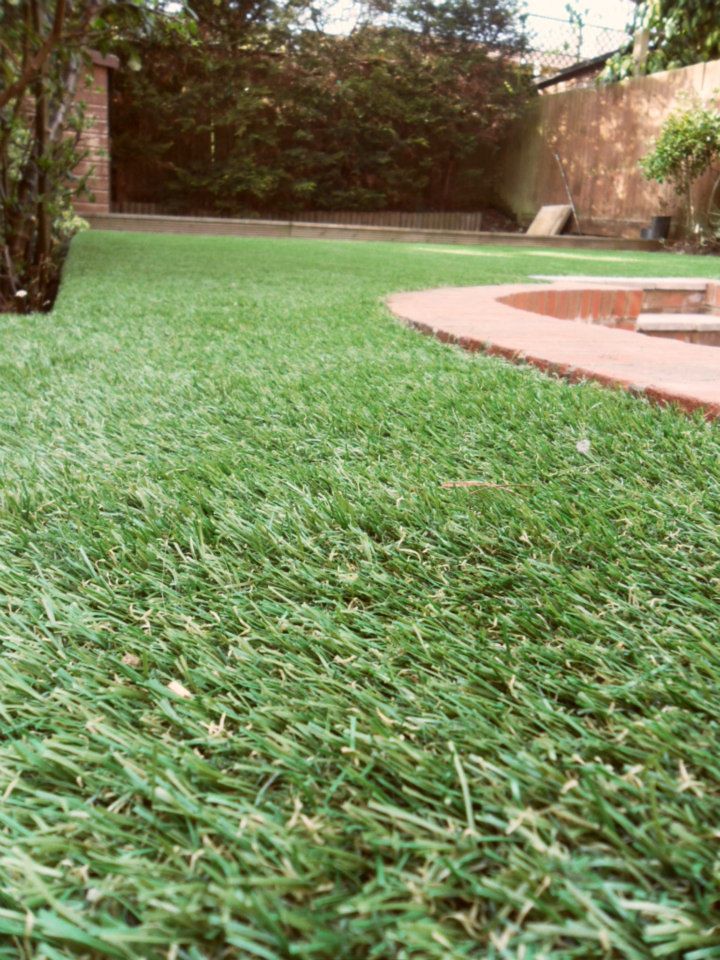
An installed artificial grass lawn. Photo: perfectgrassltd (Flickr, CC BY).
Artificial grass installation runs about $8 to $22 per square foot installed in 2026, and most homeowners land between $12 and $15. Roughly half of that is labor. The turf roll itself is only $2 to $5 per square foot, so the base, infill, and crew are where the real money goes.
Installed artificial grass (per sq ft, materials + labor)
Small yards (under 400 sq ft) skew high; jobs over 2,000 sq ft skew low. Figures verified July 2026.
What does artificial grass installation cost per square foot?
Installed, artificial grass costs about $8 to $22 per square foot in 2026. That is the full job: turf, base, infill, and labor. Most homeowners with a normal backyard land between $12 and $15 per square foot, verified against LawnStarter, HomeGuide, and Angi cost data in July 2026.
The spread is wide for one reason. A 300-square-foot side yard and a 2,500-square-foot backyard are priced very differently per foot, even for the same turf. Small jobs carry fixed costs (crew mobilization, minimum charges, delivery) over a tiny area, so they run $17 to $25 per square foot. Big jobs spread those costs thin and drop toward $9 to $15.
Here is where the money actually goes on a typical mid-range install.
| Layer | Cost per sq ft | Share of the job |
|---|---|---|
| Turf roll (material) | $2–$5 | ~25% |
| Base aggregate + fabric | $1.20–$2.25 | ~15% |
| Infill | $0.60–$1.10 | ~7% |
| Labor | $4–$9 | ~50–60% |
| Installed total | $8–$22 | 100% |
Notice the turf itself is the small part. People assume the green roll is the cost. It isn’t. Labor is 50 to 60 percent of the total, per Angi’s 2026 data, and the base prep under the turf is what separates a lawn that drains and lasts from one that ripples and puddles after two winters.
Why is labor more than the turf?
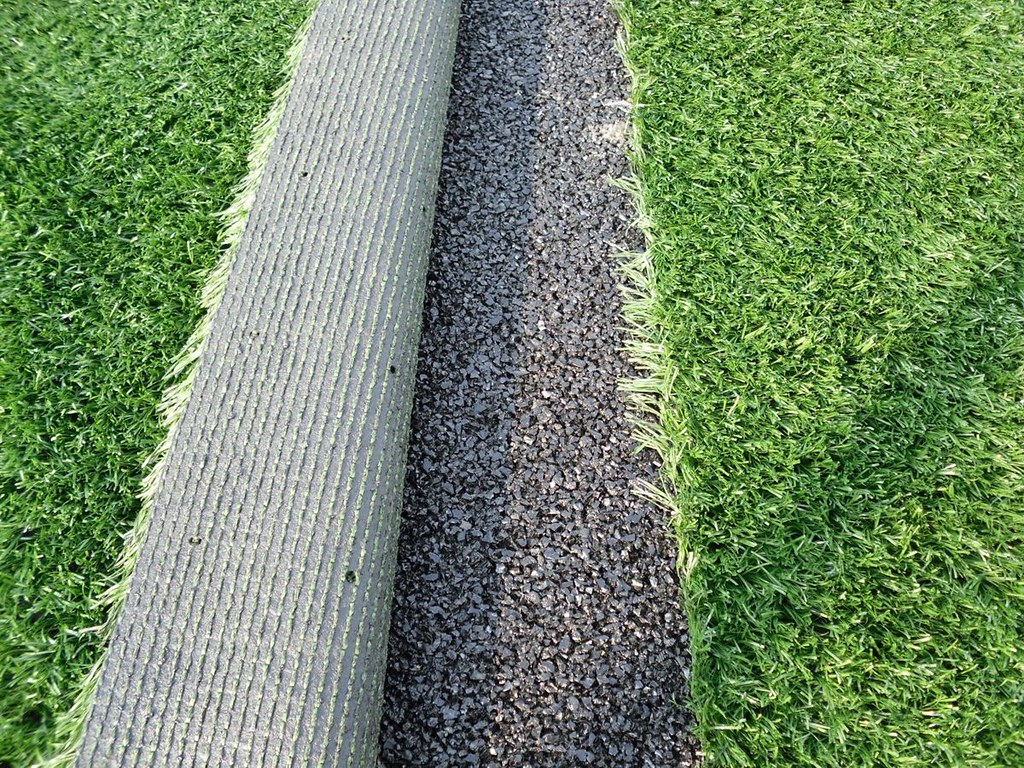
Because a synthetic lawn is a small construction project, not a rug you roll out. A real install removes the old surface, excavates 3 to 4 inches, lays and compacts a crushed-rock base, adds a weed barrier, shapes drainage, then cuts, seams, stretches, nails, and infills the turf. A two-person crew spends a day or two on an average yard.
That labor is what you’re really buying when you hire out. Skip the base compaction and you get a lawn that sinks in traffic lanes. Rush the seams and you get a visible line down the middle of the yard. The turf is a commodity; the install is the craft, and it’s priced accordingly.
What drives your number up or down?
A few things move the price more than turf grade does:
- Yard size. The single biggest lever. Under 400 square feet, expect the high end. Over 2,000, expect a volume discount.
- Access and demo. A backyard the crew can only reach by wheelbarrow through a side gate costs more than a driveway-adjacent front lawn. Tearing out old sod, concrete, or a dead lawn adds removal cost.
- Base depth. Pet installs and putting greens want more base and specialty infill, which adds a couple of dollars per foot.
- Turf grade. Polypropylene is cheapest at $2 to $6 per square foot for the material, polyethylene sits at $3 to $5 and is the sensible default, and nylon runs $5 to $7 for high-traffic or putting surfaces.
- Region. Labor rates in coastal metros run well above rural markets for the identical job.
Should you install it yourself?
You can, and it changes the math. Buy the rolls, base, infill, seam tape, and nails and you’re looking at roughly $4.50 to $9 per square foot in materials, before your own time. That’s the labor half of a pro job staying in your pocket.
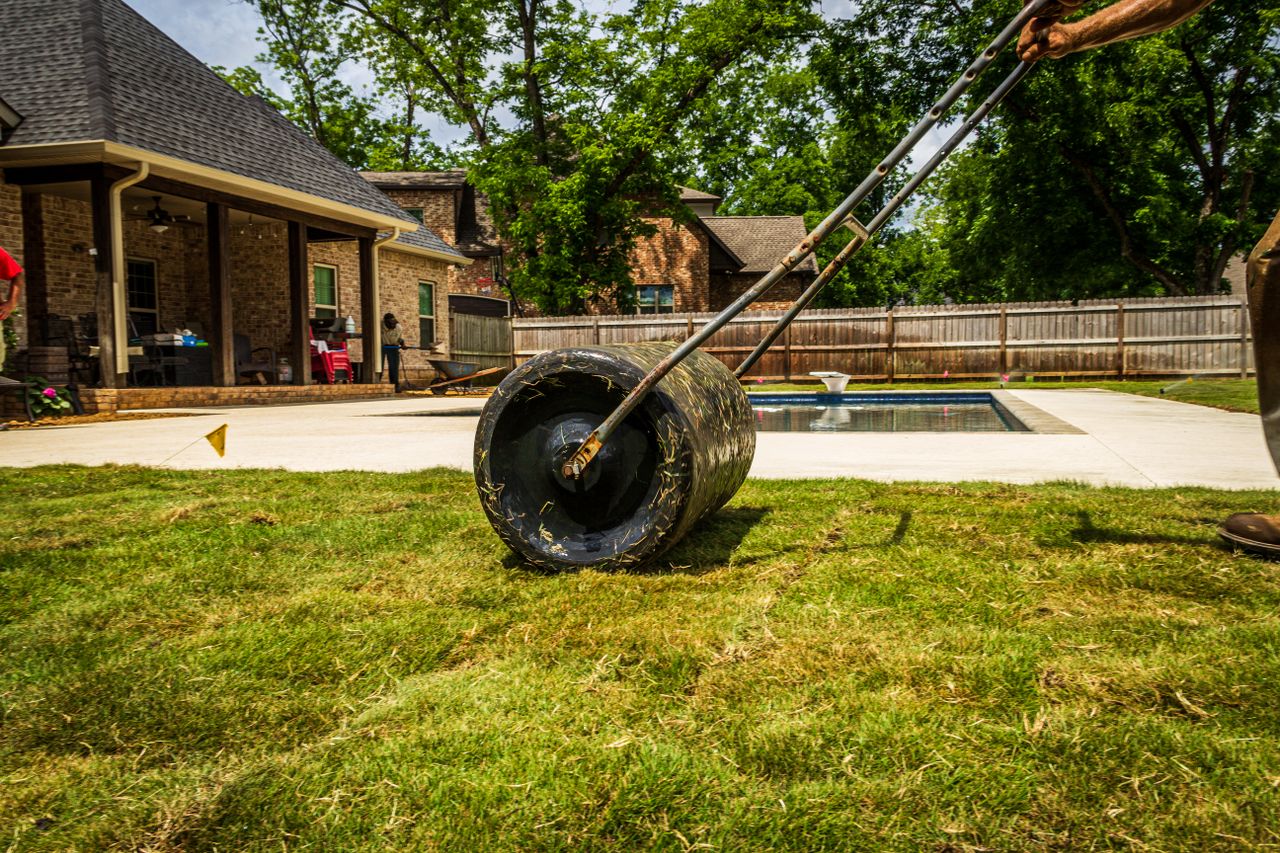
The honest trade-off: base prep and seaming are the hard parts, and they’re exactly the parts that ruin a lawn when done wrong. A flat, small, rectangular area with good access is a reasonable weekend DIY. A large yard with curves, slopes, or drainage problems is where a pro earns the labor line. If you go DIY, the material list in the rail below is the whole kit.
What about removing the old lawn first?
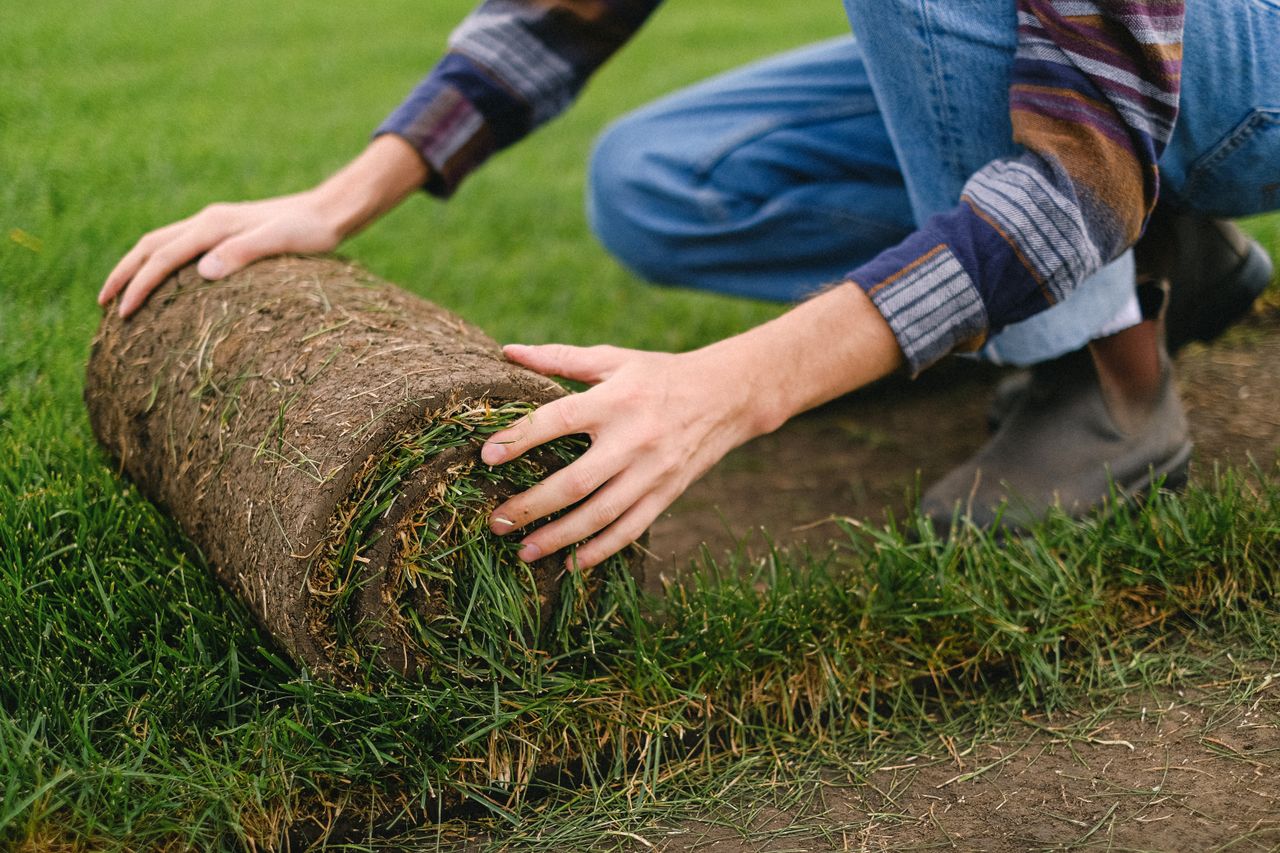
If there’s existing turf or sod to pull, budget $1.25 to $2 per square foot for removal on top of the install. That covers peeling the old surface, hauling the backing and infill, and grading down to clean soil. We break that down on the turf removal cost page.
The bottom line
For a straight answer: price a normal backyard at $12 to $15 per square foot installed, a small or awkward yard closer to $18 to $22, and a large open one nearer $10 to $12. Get the turf roll price and the base-and-labor quote separately when an installer bids, because bundling them is how the real cost stays hidden. Run your own square footage through the calculator to turn these ranges into a single number for your yard.
Doing it yourself? Here's the material list
As an Amazon Associate, MowFree earns from qualifying purchases.
If you're installing rolls over a prepared base, these are the five things every DIY turf job needs. Prices are the material side only, before your own labor.
- View on Amazon
Artificial turf roll (landscape grade)
The lawn itself. Polyethylene landscape turf is the all-round pick for most yards.
~$2–$5 / sq ft
- View on Amazon
Silica sand infill
Weighs the turf down and holds the blades up. Budget about 1–2 lb per square foot.
~$0.60–$1.10 / sq ft
- View on Amazon
Seaming tape and turf glue
Joins roll edges into one invisible surface. The seam is where DIY jobs live or die.
- View on Amazon
Turf nails / landscape staples
Pin the perimeter and seams to the base. Galvanized 5–6 inch spikes are standard.
- View on Amazon
Weed barrier fabric
Goes under the base to stop growth pushing up through the drainage layer.
A few more questions
- Does artificial grass add value to a home?
- It's a wash in most markets. Buyers who want low maintenance see it as a plus; buyers who want a real lawn or garden beds see it as something to tear out. It rarely returns its full install cost at resale, so install it for your own use, not as an investment.
- How long does artificial grass last?
- A quality polyethylene lawn lasts about 15 to 20 years with light care. Heat, heavy pet traffic, and thin low-density turf shorten that. Most manufacturer warranties run 8 to 15 years.
Sources
Every price on this page was checked against these sources on the date shown. We re-verify quarterly.
- LawnStarter: Artificial Grass Cost (2026): Installed and materials-only ranges, verified 2026-07-17
- HomeGuide: Artificial Grass Cost (2026): Per-square-foot and total-project data, verified 2026-07-17
- Angi: Artificial Grass Installation Cost (2026): Labor share of total, verified 2026-07-17
- The Home Depot: Cost to Install Artificial Grass: Retail install-service pricing, verified 2026-07-17