Cost guide
Best Artificial Turf (2026): How to Judge It Before You Buy
The best artificial turf isn't a brand, it's a spec match. Fiber, face weight, pile height, density, backing, and warranty, plus what to buy by use. Quality turf runs $2 to $7 per sq ft.
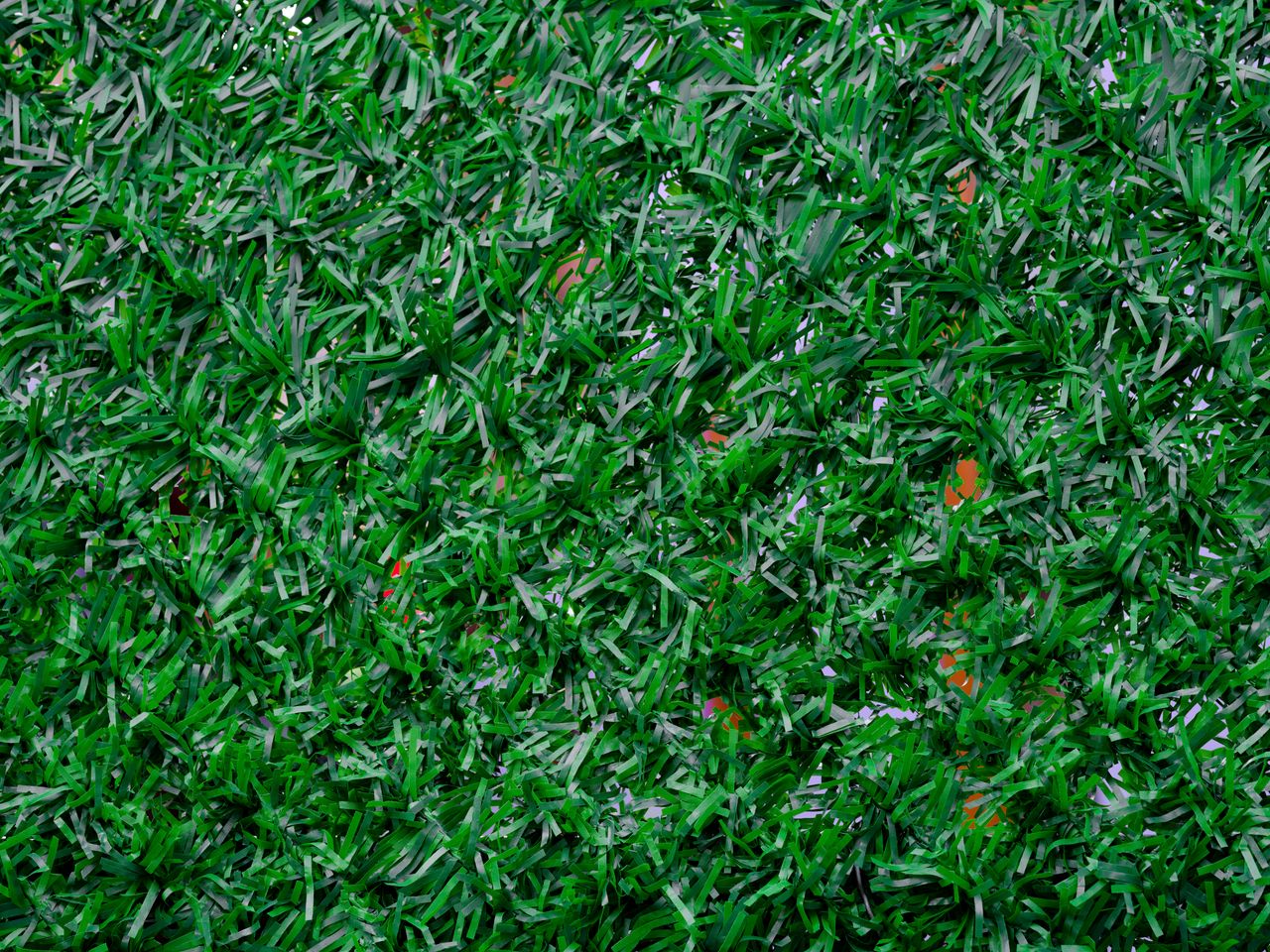
The best artificial turf is the one whose spec matches your use, not a single brand. Judge it on fiber type, face weight, pile height, density, and backing drainage, then match to lawn, pet, putting, or shade. Quality landscape turf runs $2 to $7 per square foot for the material alone.
Quality turf (material) (per sq ft)
Material only, before base, infill, and labor. Fiber and density drive the spread. Verified July 2026.
What is the best artificial turf?
The best artificial turf is the one whose spec matches your use, not a single brand. Judge it on fiber type, face weight, pile height, density, and backing drainage, then match to lawn, pet, putting, or shade. Quality landscape turf runs $2 to $7 per square foot for the material alone, verified against LawnStarter and HomeGuide cost data in July 2026.
We don’t lay turf, and we don’t rank brands we haven’t tested. So this is a criteria guide, not a fake top-ten list. Learn the five specs that actually matter, decide which use you’re buying for, and you can judge any roll on the shelf better than a label with a big number on it. The turf is also the small part of the bill, so read the artificial grass installation cost page before you fixate on the roll.
What are the five specs that matter?
Every turf product is described by the same handful of numbers. These are the ones worth reading.
Fiber type. The plastic the blades are made of, and the biggest single driver of durability and price.
- Polyethylene ($3 to $5 per square foot): the all-round default. Soft, natural-looking, holds up to normal lawn traffic. What most yards should use.
- Nylon ($5 to $7): the most durable and heat-tolerant, and the stiffest. Right for putting greens and high-traffic zones, too stiff to want underfoot as a lawn.
- Polypropylene ($2 to $6): the cheapest, fine for low-traffic decorative areas. It softens in high heat, so keep it off hot, sunny, walked-on ground.
Face weight. The ounces of yarn per square yard, backing not counted. Higher face weight means more fiber packed in, which generally wears better and feels fuller. It’s the closest thing to a single quality number, but read it alongside density, not on its own.
Pile height. How tall the blades stand, usually 1 to 2.5 inches. Taller is not better. Long pile lies flat and looks matted under traffic unless the density holds it up. A moderate pile for a lawn, short for a putting green.
Density. How tightly the blades are stitched in, sometimes shown as stitch rate. High density is what keeps a lawn standing up and looking full instead of sparse. A dense moderate-pile roll beats a tall sparse one for a walked-on yard, every time.
Backing and drainage. The layer that holds the fibers and lets water through. A fully permeable backing drains across the whole surface, which matters most for pets and rainy climates. A hole-punched backing drains slower. This is the spec people skip and then regret when the yard puddles.
| Spec | What it tells you | What to want |
|---|---|---|
| Fiber | Durability and feel | Polyethylene for lawns, nylon for greens |
| Face weight | Amount of yarn | Higher, read with density |
| Pile height | Blade length | Moderate for lawns, short for greens |
| Density | How full it stays | High, holds blades upright under traffic |
| Backing | Drainage | Fully permeable for pets and wet climates |
Which turf is best for your use?
Match the spec to the job, not to the price tag.
For a walked-on lawn, buy polyethylene, moderate pile height, high density. This is the sensible middle at $3 to $5 per square foot for the material. It looks natural, feels right underfoot, and holds up to normal family traffic.
For pets, buy turf with a fully permeable backing and tougher fibers, then pair it with an antimicrobial infill. Pet turf runs $2 to $4 per square foot more than standard landscape turf, and the premium is real: it’s in the drainage and the fiber toughness, which is exactly what dog traffic and cleanup demand.
For a putting green, buy short-pile nylon at $5 to $7 per square foot. The density and short blade are what give a true, consistent ball roll. This is a specialty surface, not a lawn you putt on.
For shade or low-traffic decorative areas, budget polypropylene at $2 to $6 is fine and saves money. Just keep it off hot, sunny, high-traffic ground where it softens and mats.
Does the warranty tell you anything?
Some. A quality polyethylene lawn lasts about 15 to 20 years with light care, and most manufacturer warranties run 8 to 15 years. A longer warranty is a signal the maker trusts the UV stabilization and fiber, but read what it actually covers. Many cover fade and manufacturing defects, not wear from traffic or pet damage, and they often prorate over time.
Treat the warranty as one data point next to face weight and density, not as proof of quality on its own. A big warranty number on a thin, sparse roll is marketing, not durability.
How do you shop without overpaying?
Two honest traps to avoid.
First, don’t buy the biggest number on the label. A high face weight on a heat-softening polypropylene, or a tall pile with low density, reads impressive and performs poorly. Match fiber and density to your use first, then compare price within that category.
Second, don’t over-index on the roll. The turf is $2 to $7 per square foot, but the installed job is $8 to $22, because base and labor are more than half the cost. Spending an extra dollar per foot on turf while skimping on the base is backward. The base is what makes any turf drain and last, as the turf installation cost per square foot page lays out.
The bottom line on choosing turf
There’s no single best artificial turf. There’s a best roll for your use: polyethylene for a lawn, permeable-backed pet turf for dogs, short nylon for a green, budget polypropylene for shade. Judge any product on fiber, face weight, pile height, density, and backing, and you’ll out-shop the label every time.
The rail below sorts turf by use so you can match your yard to the right category. Once you’ve picked a grade, run your square footage through the turf cost calculator to see the installed number, roll included.
Turf by use: what to match to your yard
As an Amazon Associate, MowFree earns from qualifying purchases.
There's no single best roll. There's a best roll for your use. These are the categories to shop, with the spec that matters for each. Prices are the turf material only, before base, infill, and labor.
- View on Amazon
Landscape lawn turf (polyethylene)
The all-round pick for a walked-on lawn. Soft polyethylene blades, mid pile height, good density. The sensible default for most yards.
~$3–$5 / sq ft
- View on Amazon
Pet-rated turf
Faster-draining backing and tougher fibers for dog traffic. Look for a fully permeable backing and pair it with antimicrobial infill.
~$2–$4 / sq ft more than standard
- View on Amazon
Nylon putting green turf
Short, dense, fast nylon for a true ball roll. The most durable and heat-tolerant fiber, and the priciest.
~$5–$7 / sq ft
- View on Amazon
Budget / decorative turf (polypropylene)
The cheapest fiber, fine for low-traffic decorative areas and shade. Softens in high heat, so keep it off hot, sunny, walked-on ground.
~$2–$6 / sq ft
- View on Amazon
Silica sand infill
The weight that stands the blades up and keeps the turf flat. Budget 1 to 2 lb per square foot whatever roll you pick.
~$0.60–$1.10 / sq ft
A few more questions
- Does more expensive turf last longer?
- Usually, but not always. Higher face weight and density genuinely wear better, and nylon outlasts polypropylene. But you can overpay for a heat-softening fiber with a big number on the label. Match the fiber and density to your use first, then compare price within that category, not across all turf at once.
- Is thicker (taller) turf better?
- No, taller isn't better on its own. Long pile lies flat and looks matted under traffic without enough density to hold it up. For a walked-on lawn, a moderate pile height with high density beats a tall, sparse roll. Putting greens want the opposite: short and dense.
Sources
Every price on this page was checked against these sources on the date shown. We re-verify quarterly.
- LawnStarter: Artificial Grass Cost (2026): Turf-by-fiber material pricing, verified 2026-07-17
- HomeGuide: Artificial Grass Cost (2026): Material grade and quality ranges, verified 2026-07-17
- InstallArtificial: Pet Turf Cost (2026): Pet turf premium and features, verified 2026-07-17