Cost guide
Fake Grass Cost in 2026: The Cheap and DIY Routes, Honestly Priced
Fake grass costs $2 per square foot as bare material and $8 to $15 installed in 2026. Here's what the budget and DIY routes really cost, when cheap is fine, and when it fails.
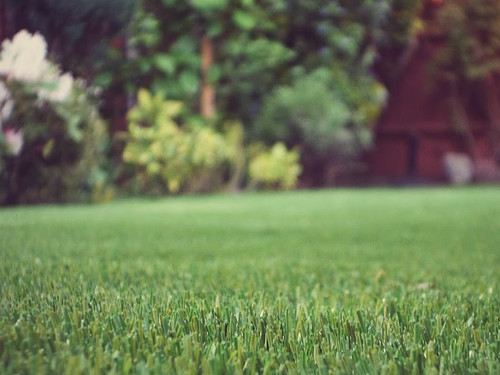
Fake grass runs about $2 per square foot as bare DIY material and $8 to $15 installed for a normal yard in 2026, up to $22 for small or complex jobs. The cheap route works when the area is flat, small, and low-traffic. It fails when you skip the base.
Fake grass (per sq ft)
$2 is bare budget roll material; a full DIY kit is $4.50–$9. Installed figures verified July 2026.
How cheap can fake grass really get?
Fake grass has a real floor price and a real catch. The floor: a budget polypropylene roll starts around $2 per square foot for the material alone, verified against LawnStarter and HomeGuide data in July 2026. The catch is that $2 buys the blades and nothing else. No base, no infill, no labor, and no promise it lasts more than a few summers. Installed by a crew, a normal yard runs $8 to $15 per square foot.
Here is the honest spread of ways to get fake grass down, cheapest first.
| Route | Cost per sq ft | What you get |
|---|---|---|
| Bare budget roll (polypropylene) | $2–$6 | Turf material only, you supply the rest |
| Full DIY kit (roll + base + infill + tape + nails) | $4.50–$9 | Every material, your own labor |
| Budget pro install | $8–$12 | Materials plus a crew, thinner turf, lighter base |
| Mid-range pro install | $12–$15 | The sensible default for a lawn that lasts |
The gap between the top row and the bottom row is mostly labor and base depth, not the green stuff. A professional install runs $8 to $22 per square foot in 2026, and roughly half of that is the crew. So the single biggest way to spend less is to do the labor yourself, which is what the DIY column really means.
What makes the budget version cheap?
Three things get cut to hit a low number, and each one has a cost down the line.
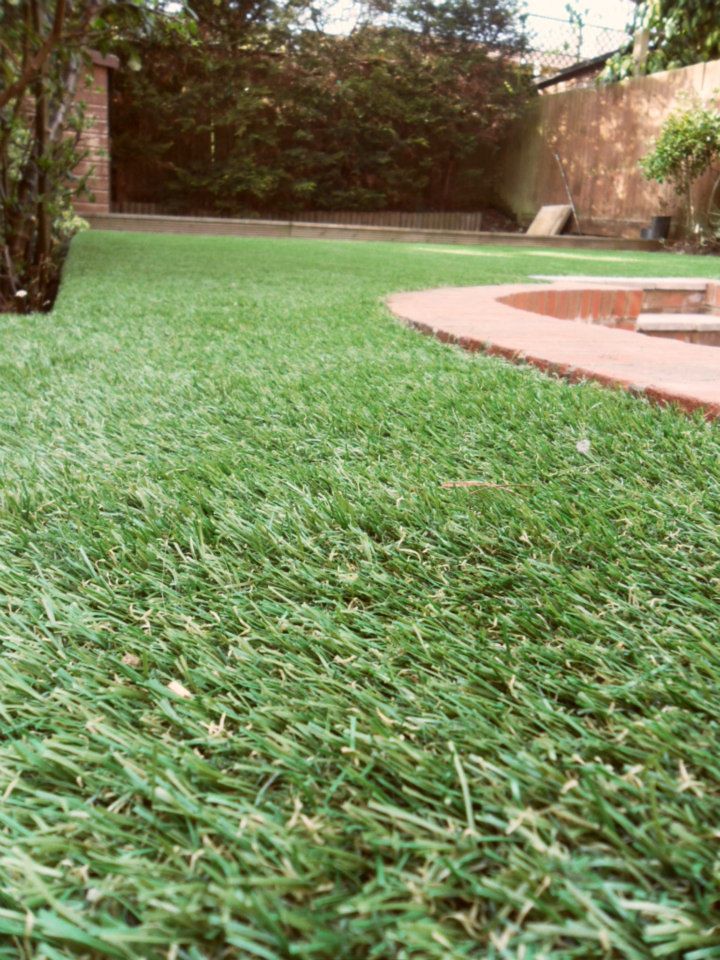
Fiber type. The cheapest turf is polypropylene at $2 to $6 per square foot. It’s fine for low-traffic, decorative, shaded areas, but it softens in high heat and wears faster than the alternatives. Polyethylene at $3 to $5 is the all-round pick most landscape lawns use, and it isn’t much more per foot. Nylon at $5 to $7 is the durable, heat-tolerant option for high traffic and putting surfaces.
Turf weight and density. Thin, low-density turf lays flat and looks sparse where people walk. Face weight is the spec that separates a lawn that recovers from footprints from one that mats down in the traffic lanes. Budget rolls save money by using less yarn per square foot.
The base, or the lack of one. This is where cheap turf jobs actually fail. A proper install excavates a few inches, lays crushed rock, and compacts it so water drains and the surface stays flat. Skip that and you get puddles after rain and ripples where feet land. Rolling turf straight onto dirt or an old lawn is the fastest way to something you tear out in two years.
When is cheap fake grass actually fine?
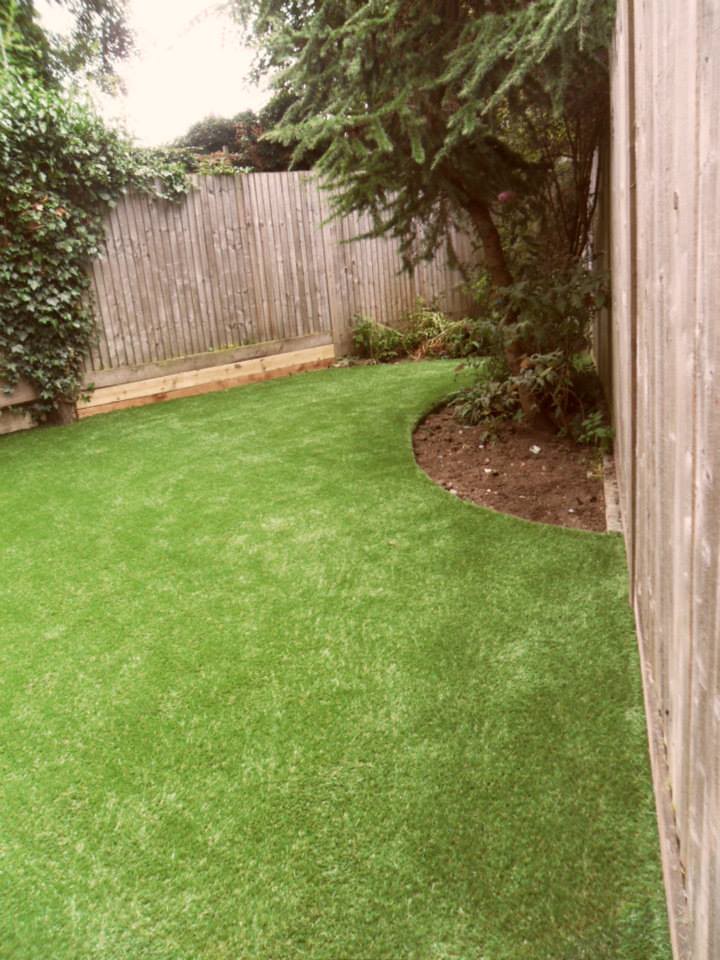
Plenty of the time, honestly. Budget turf earns its keep when the area is working against failure instead of toward it:
- A small, flat, decorative patch that nobody walks on much.
- A shaded spot where heat won’t cook a polypropylene fiber.
- A rental or a temporary setup where 15-year durability isn’t the point.
- A balcony, dog run, or event layout over a hard surface.
For those, a $2 to $6 roll and a bag of infill does the job, and paying mid-range install prices would be overkill.
When does cutting corners bite?
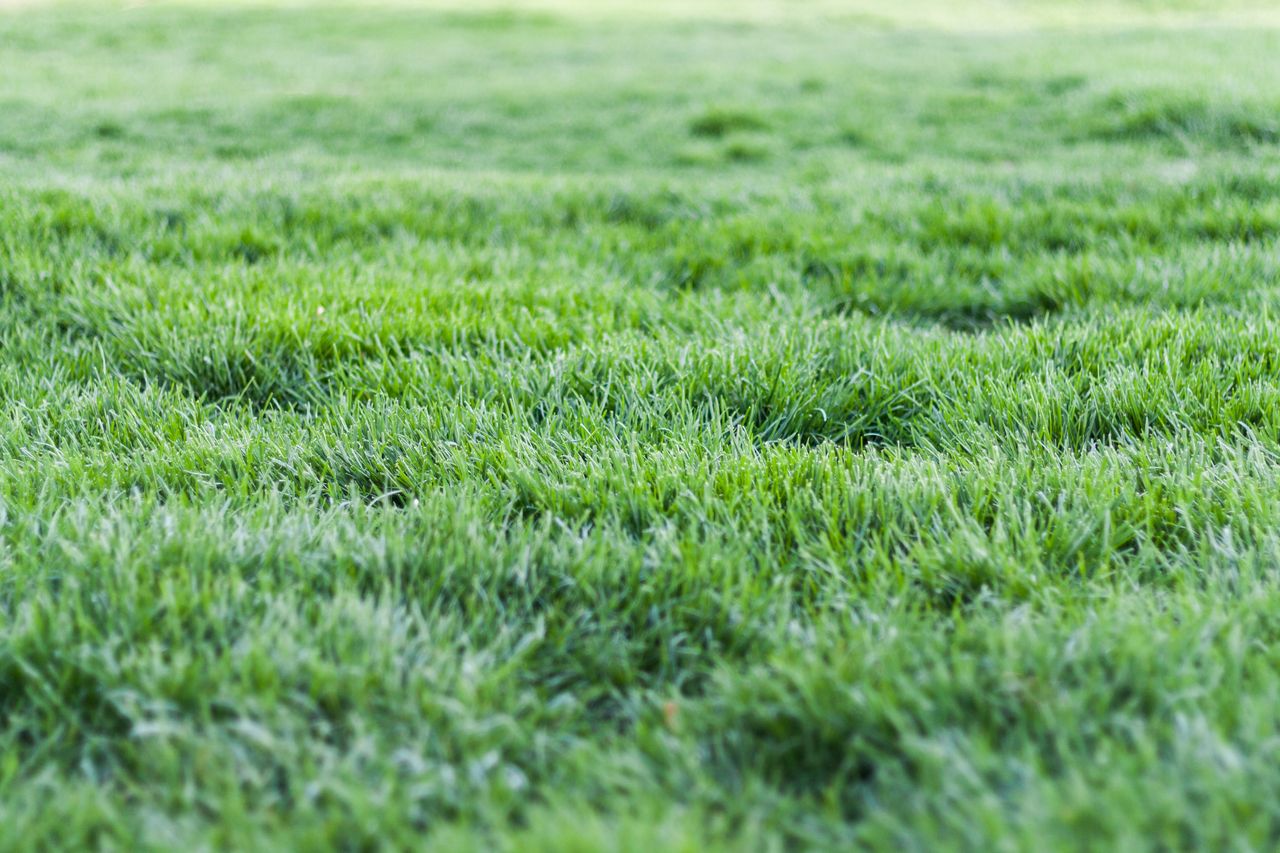
The cheap route stops being a bargain in a few predictable situations:
- Pets. Dog urine and heavy paw traffic want a faster-draining backing and antimicrobial infill. Pet-rated turf runs $2 to $4 more per square foot than standard for a reason.
- Full sun and heat. Polypropylene is the fiber most likely to soften and flatten in a hot yard. Polyethylene or nylon holds up better.
- High foot traffic. Kids, parties, a main path across the yard. Thin turf on a thin base shows wear fast.
- Any real size. On a large yard, a failed base means redoing hundreds of square feet, so the base is exactly where you don’t want to save $2.
What’s the cheapest way to do it right?
The move that saves the most money without wrecking the result is to keep the labor in your own hands and spend on the base. A full DIY material kit, turf roll plus base aggregate plus infill plus seam tape plus nails, lands around $4.50 to $9 per square foot before your own time, per the retail DIY figures we track. That captures the labor half of a pro job while still building the drainage layer that makes turf last.
The parts worth not cheaping: the base rock and its compaction, and the seams. Those two are what ruin a lawn when rushed. A flat, small, rectangular area with good access is a reasonable weekend project. A large yard with curves, slopes, or drainage trouble is where a crew earns the labor line, and paying for a mid-range install at $12 to $15 is the honest call.
For the full layer-by-layer money breakdown, see the artificial grass installation cost page, and run your own square footage through the turf cost calculator to turn these ranges into one number. If you’re buying material to lay yourself, the artificial grass rolls guide covers what to look for on the roll.
The bottom line
Cheap fake grass is real and sometimes the right answer. Budget the material at $2 to $6 per square foot if you’re rolling it yourself over a prepared base, a full DIY kit at $4.50 to $9, and a professional install at $8 to $22 depending on size and complexity. Spend the savings on the base, not the turf, because the layer you can’t see is the one that decides whether the lawn lasts.
The budget DIY kit
As an Amazon Associate, MowFree earns from qualifying purchases.
Rolling fake grass yourself over a prepared base is the cheapest honest route. These are the materials every job needs. Prices are the material side only, before your own labor.
- View on Amazon
Budget artificial turf roll
The blades themselves. Polypropylene is the cheapest fiber, fine for low-traffic, shaded, decorative areas.
~$2–$6 / sq ft
- View on Amazon
Silica sand infill
Weighs the turf down and stands the blades up. Budget about 1–2 lb per square foot.
~$0.60–$1.10 / sq ft
- View on Amazon
Seaming tape and turf glue
Joins roll edges into one surface. A rushed seam is where cheap jobs show.
- View on Amazon
Turf nails / landscape staples
Pin the perimeter and seams to the base. Galvanized 5–6 inch spikes are standard.
- View on Amazon
Weed barrier fabric
Goes under the base to stop growth pushing up through the drainage layer.
A few more questions
- Is fake grass the same thing as artificial turf?
- Same product, different label. 'Fake grass' and 'artificial grass' are the everyday names; 'artificial turf' is the industry term, and 'turf' often implies the heavier sport or pet grades. Pricing overlaps, so don't read too much into which word a seller uses.
Sources
Every price on this page was checked against these sources on the date shown. We re-verify quarterly.
- LawnStarter: Artificial Grass Cost (2026): Material and installed ranges, verified 2026-07-17
- HomeGuide: Artificial Grass Cost (2026): Per-fiber material pricing, verified 2026-07-17
- The Home Depot: Cost to Install Artificial Grass: Retail install-service pricing, verified 2026-07-17
- InstallArtificial: Artificial Grass Installation Cost (2026): DIY materials rule of thumb, verified 2026-07-17