Buyer's guide
Turf Infill Cost (2026): Silica Sand vs. Pet Infill, Per Square Foot
What turf infill costs in 2026: silica sand runs about $1.08 per square foot, antimicrobial pet infill about $0.30 more. What it does, which type to buy, and how much you need.
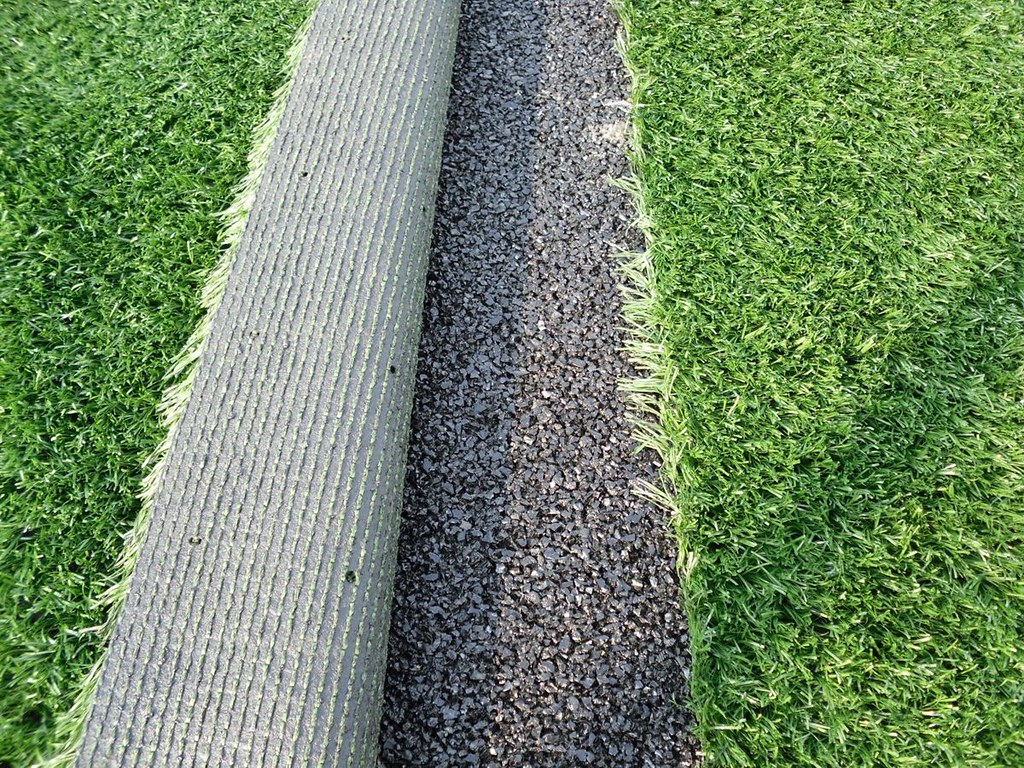
Turf infill is the granular material brushed into artificial grass after it's laid. It weighs the turf down, stands the blades upright, and helps water drain. Silica sand runs about $1.08 per square foot; antimicrobial pet infill costs roughly $0.30 more per square foot. Plan on 1 to 2 pounds per square foot.
Turf infill (per sq ft)
Silica sand ≈ $1.08/sq ft at 2 lb; antimicrobial pet infill ≈ $0.30/sq ft more. Figures verified July 2026.
What is turf infill and why does it matter?
Turf infill is the granular material brushed into artificial grass after it’s laid. It weighs the turf down, stands the blades upright, and helps water drain. Silica sand runs about $1.08 per square foot; antimicrobial pet infill costs roughly $0.30 more per square foot. Plan on 1 to 2 pounds per square foot.
That sounds minor. It isn’t. Infill is the difference between a lawn that looks and feels like grass and a green sheet that mats flat the first time someone walks across it. Three jobs, all at once: the weight keeps the turf from wrinkling and creeping as it heats and cools, the grains prop each blade back up so the pile stands tall, and the loose granular layer lets rain drain through the backing instead of pooling on top. A turf lawn with the right infill springs back underfoot. One without it lies down and stays down.
It’s also the cheapest layer of the whole install, and the one people skimp on to their own regret. On the full artificial grass installation cost breakdown, infill is only about 7 percent of the total. Cutting that 7 percent to save a few dollars is how a good base and good turf still end up feeling wrong.
What does turf infill cost?
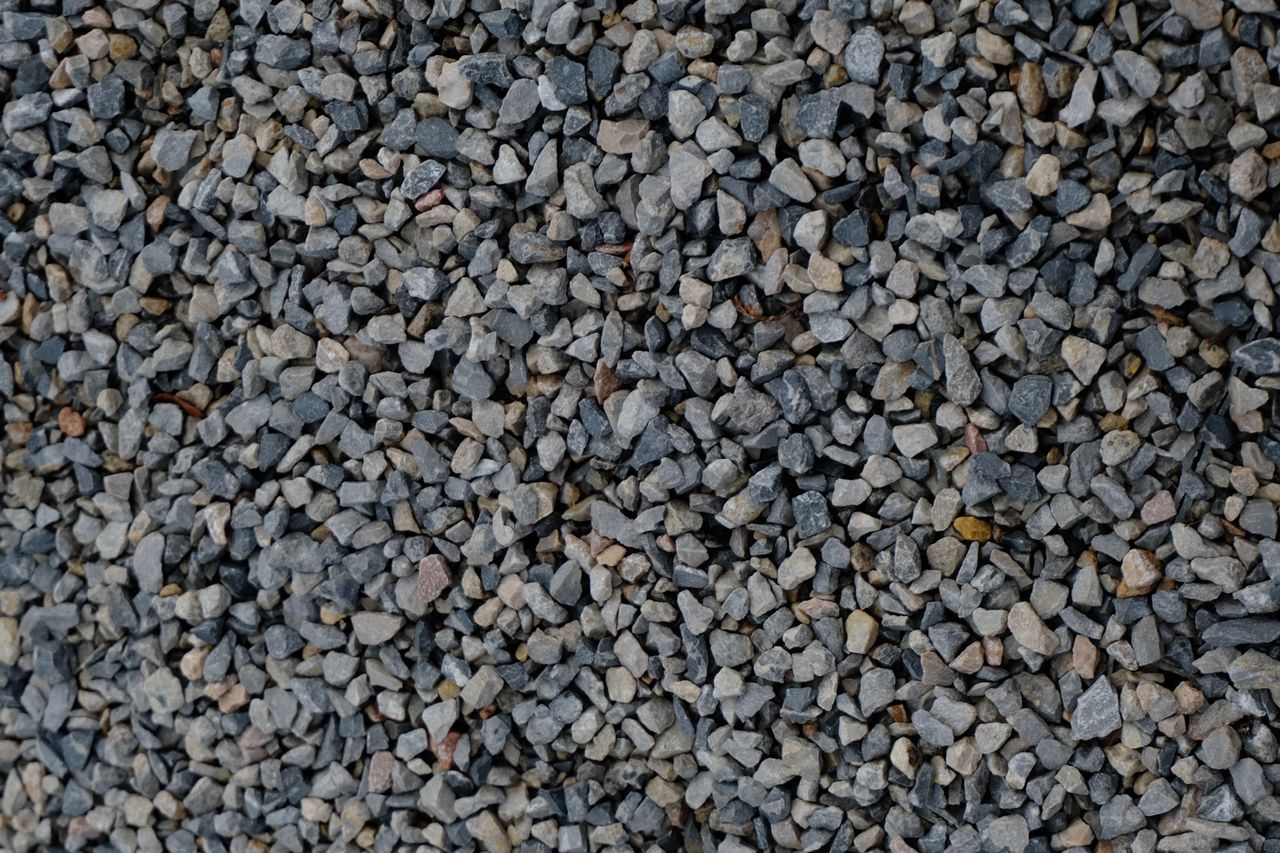
Infill is priced two ways: by the pound in the bag, and by the square foot once you spread it. Both matter, because the bag price tells you what to buy and the per-foot figure tells you what the job costs.
| Infill type | Per pound | Per sq ft (at ~2 lb) | Bag price |
|---|---|---|---|
| Silica sand | $0.30–$0.60 | ~$1.08 | Sold by the 50 lb bag |
| Antimicrobial / zeolite pet infill | Higher | ~$0.30 more than sand | ~$22–$25 / 50 lb bag |
| Overall infill range | $0.30–$1.75 | ~$0.60–$1.10 typical | Varies by grade |
Those figures are verified against LawnStarter, HomeGuide, and InstallArtificial cost data as of July 2026. Read the per-square-foot column as your planning number. A plain silica sand job lands near a dollar a foot. Step up to a pet or coated infill and you add roughly thirty cents a foot on top.
The per-pound spread is wide because “infill” covers everything from bulk builder’s sand to coated, antimicrobial rounded grains. The cheap end is fine for a low-traffic decorative lawn. The dear end earns its money on pet runs and high-use areas where odor and compaction are real.
Artificial grass infill types: sand vs. pet infill
Two families cover almost every home lawn.
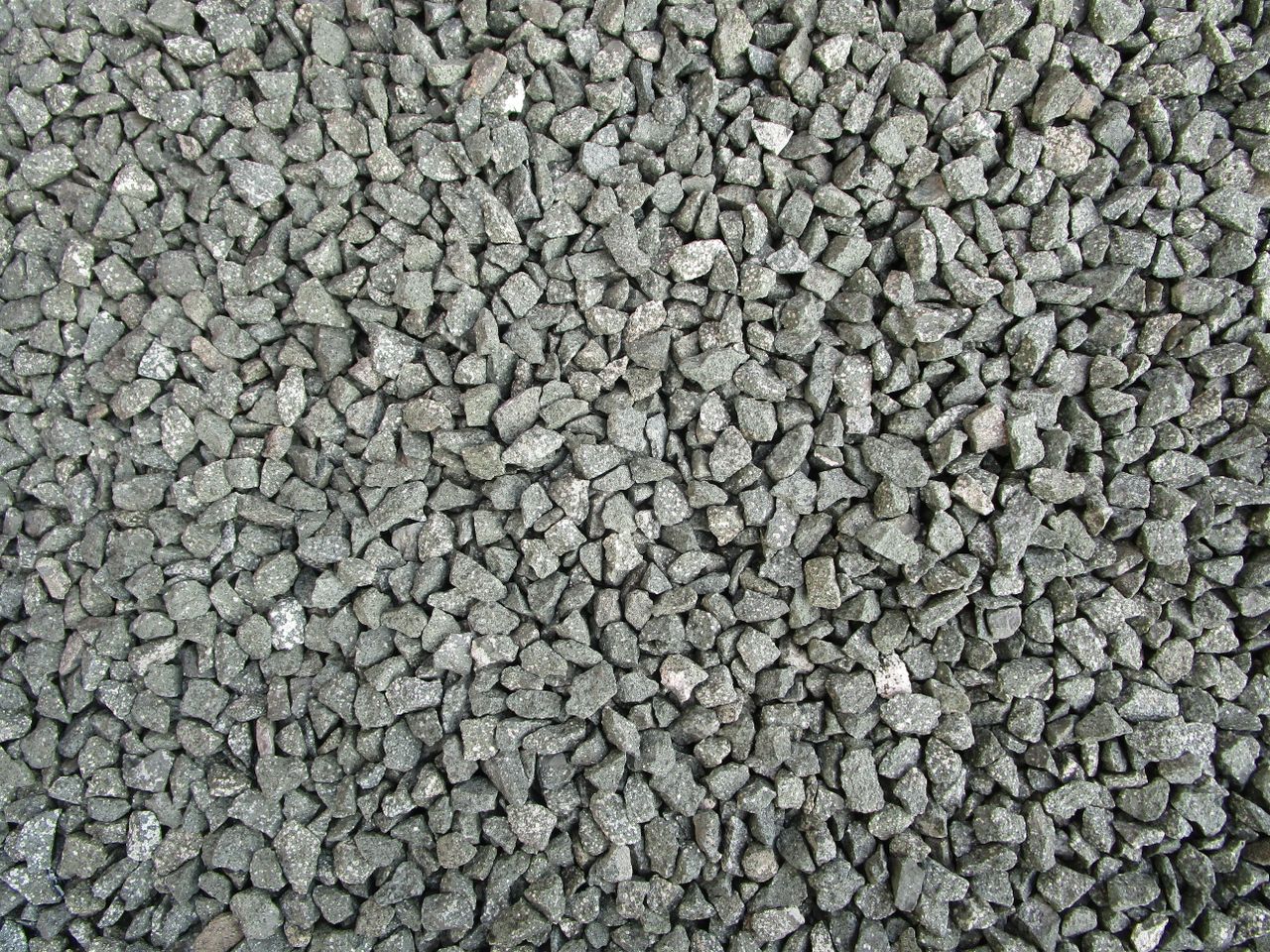
Silica sand is the workhorse. Rounded silica grains flow down into the pile, add ballast, and hold blades upright without much fuss. It’s the default for a standard landscape lawn and the reason most DIY material lists just say “sand.” At roughly $1.08 per square foot spread at 2 pounds, it’s cheap and it works.
Antimicrobial and zeolite pet infill is the upgrade that matters if a dog uses the lawn. Zeolite is a porous mineral that traps the ammonia in dog urine, which is what causes the smell, and releases it when rain or a hose flushes the turf. Coated antimicrobial infills (the Envirofill-class products) add a microbe-resistant shell on rounded grains. Both cost about $0.30 per square foot more than plain sand, or roughly $22 to $25 for a 50-pound bag. On a pet lawn that premium is the whole point; on a lawn no animal touches, it’s optional.
There are specialty options beyond these two, but for a backyard the decision is usually just sand, or sand plus a pet-grade layer on top where the dog goes.
How much turf infill do you actually need?
Budget 1 to 2 pounds per square foot, and lean toward the high end as pile height goes up. A short, dense putting-style turf needs less; a tall, soft landscape blade needs more to fill the deeper pile and hold it up.
The quick math: a 500-square-foot lawn at 2 pounds a foot is 1,000 pounds of infill, which is twenty 50-pound bags. At silica prices that’s a few hundred dollars in sand for the whole yard. Swap in pet infill and you add roughly $150 across that same 500 feet. Not nothing, but small against the base and labor lines. Run your own square footage through the turf cost calculator to size the bag count before you buy.
Spread it in stages rather than all at once. Drop a layer, brush it down into the backing with a power broom or stiff push broom, then add more and repeat until the blades stand and the infill sits below the tips. Dumping the whole load in one pass leaves piles you’ll fight for an hour.
Do you have to replace infill over time?
This is the part the install quote never mentions: infill is a repeat consumable, not a one-time buy. Foot traffic, mowing-free years of play, hosing off, and heavy rain all migrate infill down and out of the high-use lanes over time. Most lawns want a top-up every few years in the areas that see the most use, and pet lawns want fresh antimicrobial infill sooner because that’s the layer doing the odor work.
So the honest lifetime cost of infill is the first fill plus periodic top-ups, not just the number on the first bag. It’s still a small line. But it’s the reason infill is worth buying a keep-a-bag-in-the-shed quantity of, rather than treating it as done the day the turf goes down.
The bottom line
Infill is the cheapest layer and the one that decides how the finished lawn feels. Buy silica sand at about a dollar a foot for a standard lawn, add roughly thirty cents a foot for antimicrobial pet infill if a dog uses it, and plan on 1 to 2 pounds per square foot. Keep a spare bag for top-ups. The rail below has the sand, the pet-grade upgrade, and the broom and spreader that make putting it down quick.
Infill, plus the tools to spread it right
As an Amazon Associate, MowFree earns from qualifying purchases.
Infill is the one turf material you buy by the bag and reload over the years. Here's the sand, the pet-grade upgrade, and the two tools that make brushing it in a 20-minute job instead of an afternoon.
- View on Amazon
Silica sand infill
The default. Rounded silica weighs the turf down and holds the blades up. Budget 1–2 lb per square foot.
~$0.60–$1.10 / sq ft
- View on Amazon
Antimicrobial zeolite pet infill
Traps ammonia from dog urine and cuts odor. Costs about $0.30 more per square foot than plain sand.
~$22–$25 / 50 lb bag
- View on Amazon
Coated / rounded infill
Antimicrobial-coated rounded grains. Flows better into the pile and resists compaction underfoot.
- View on Amazon
Drop spreader
Meters infill evenly across the turf so you don't dump piles and chase them with a broom.
- View on Amazon
Turf power broom or stiff push broom
Works the infill down to the backing and stands the blades back up after it's spread.
A few more questions
- Can you install artificial grass without infill?
- You can, but on most landscape turf it's a mistake. Without infill the blades mat down under traffic, the turf can wrinkle in heat, and it feels flat underfoot. A few short-pile or padded specialty turfs are rated for no infill; check the maker's spec before skipping it.
- Is crumb rubber infill still used?
- Less than it used to be for home lawns. Silica sand and antimicrobial mineral infills have largely taken over residential work on heat and odor concerns. Crumb rubber shows up more on sports fields than backyards.
Sources
Every price on this page was checked against these sources on the date shown. We re-verify quarterly.
- LawnStarter: Artificial Grass Cost (2026): Infill and materials pricing, verified 2026-07-17
- HomeGuide: Artificial Grass Cost (2026): Per-square-foot infill data, verified 2026-07-17
- InstallArtificial: Artificial Grass Installation Cost (2026): Infill application rates, verified 2026-07-17